
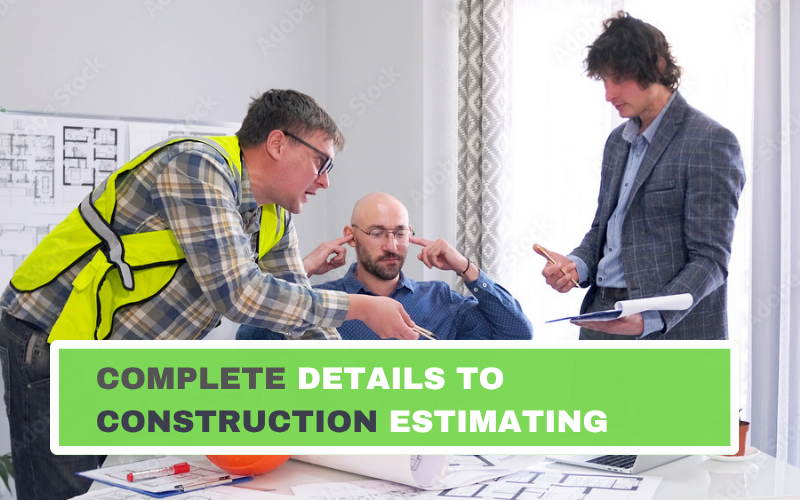
All construction projects start with an idea. Turning that idea into a complete building takes careful planning. You need to do smart budgeting and accurate cost analysis. This is where construction estimating and bidding come in. Accurate estimating decides if a project will be successful or not.
Construction estimating helps predict material, labor and equipment. It guides the bidding decisions and supports budgeting. Business owners also avoid cost surprises in the construction process. Without these reliable numbers, construction projects can face delays and cost overruns.
In this guide, you will learn what construction estimating is and the types of estimations. We will also go through the steps of construction estimating. We will also cover modern estimating tools and proven best practices.
What is Construction Estimating?
Construction estimating and bidding is the process of predicting the total cost of a construction project. This is calculated before any work begins. It includes direct costs of materials, labor, and equipment. It also covers permits, subcontractor fees and overhead expenses.
The goal of this estimation is to create a detailed and accurate projection. This cost estimation then helps keep the project profitable and predictable. The right numbers help with competitive bidding.
The process starts with a construction takeoff, where quantities of materials are measured. A cost is assigned to each item, and additional expenses are added. These include overhead as well as profit margins.
Clear construction estimating procedures give owners and contractors a clear understanding of costs and possible challenges.
The Role of Estimating in Project Success
Construction estimating is a critical part of every construction work. It helps owners and contractors understand costs from the start. Good estimates show exactly what a project will cost. Without reliable numbers, owners may not know if a project fits their budget.
For contractors, the right numbers help create fair and competitive bids. These figures also help them overcome any potential challenges. With the right numbers, projects stay on schedule and within budget. This reduces the chances of overspending.
Estimating in construction is a very important part for successful completions. In the construction market today, the margins are thin. A small error in an estimate can lead to a significant loss. Overbidding can cause a contractor to lose a project. Likewise, underbidding can cause you to take on unprofitable work.
Accurate estimates maintain this balance between winning projects and completing them with success. Changes in material costs and labor shortages make precision crucial.
Core Elements of Construction Estimating
A strong estimation process in construction includes every cost that can affect the work. This includes many things apart from material and labor. Cost values must include equipment and all indirect expenses. When all elements are added, the value becomes a guide for budgeting and planning.
Here are some key elements that make a precise construction estimate:
Quantity Takeoffs and Measurements
Quantity takeoff lists every item needed to complete a job. This includes the materials, labor and equipment. Estimators measure drawings to avoid missing any detail. Professionals help prevent shortages, delays and surprise costs.
Material Expenses
Estimating construction cost includes all the material expenses. Material costs cover items like concrete, steel and wiring. Prices can often change, so estimators rely on current rates. Past project data also helps predict future pricing. Also, adding a small margin for waste or damage keeps the budget realistic.
Labor Time and Pay Rates
Labor costs depend on the length of tasks and the hourly wage. Also, different trades have different rates. Plumbers, electricians and carpenters charge differently. Estimators also consider productivity levels and site conditions. This helps calculate labor costs more accurately.
Tools and Equipment Charges
Estimating in construction requires rented machines and tools. These costs include daily or weekly rental fees. They also include fuel and maintenance costs. Even small tools add up over time. Equipment costs directly affect the project schedule and budget.
Subcontractor Pricing
Large and complex tasks depend on subcontractors for specialized work. This includes HVAC, electrical and plumbing work. Contractors collect quotes from this team and add them. Clear subcontractor pricing helps avoid confusion later on. It also supports better communication on-site.
Indirect Costs
These are expenses that are a part of the project but not directly associated with it. Estimating construction costs of this nature is not related to one task. They include permits, insurance and office operations. They also cover supervision and site-utilities costs. These expenses are essential and should always be considered.
Overhead, Profit and Contingency
Overhead covers business expenses such as administration and management. Profit figures ensure the contractor earns from the work. They also add contingency to handle unexpected changes like design updates or price increases.
Types of Construction Estimate
Preliminary Estimates
These are the early estimates that are prepared in the start. Some call them rough estimates. They help contractors judge the practicality of a project idea. It also helps them decide overall budget figures. In bidding and estimating, many professionals rely on the past data of estimation for accurate results.
Detailed Estimates
Detailed estimates are another type of numbers near finalization. These figures have costs for materials, labor and equipment. They also include overhead and permit expenses. Most business owners use these for exact budget planning. They also use them for bidding, attending every detail.
Bid Estimates
These are the estimates that are part of proposals of contractors to an owner. These combine all costs with profit margins. It gives a price that is competitive as well as profitable. A good bid estimate helps contractors win more projects.
Change Order Estimates
During construction, changes are inevitable. How to do estimates for construction amid these changes is a big question. Change order estimates calculate the additional costs for modifications or extra work. This helps maintain budget control and avoid disputes.
Best Practices for Accurate Construction Estimates
It is important to manage construction estimates for the successful completion of work. Here are some construction estimating tips for accuracy:
Start with Detailed Project Review
For solid cost figures, a careful review of all documents is important. One must take time to understand the full scope of the work. This should be done before pricing anything.
- Study drawings, plans, and specifications.
- Check all details to avoid cost mistakes later.
- Use updated local pricing for materials and labor.
Keep Estimates Updated
Construction needs can change very often. As a result, estimates must change as well. Staying updated helps prevent any surprises.
- Track changes in design, scope, or project requirements.
- Update your estimates immediately when new information arises.
- This ensures your numbers remain accurate throughout the project.
Communicate Early and Often
Clear communication helps produce accurate figures. If you get the right team early, you can reduce errors in numbers.
- Work with your team and subcontractors from the beginning
- Address all questions before finalizing estimate
- Clear communication helps reduce missed costs
Best Construction Estimation Software and Tools
Construction estimating is progressing at a rapid rate. For bidding and estimating, contractors rely on digital takeoffs and AI-powered tools. This speeds up estimates and improves accuracy. These systems help teams create estimates faster. You can share data and keep pricing updated.
Popular platforms like Buildertrend, PlanSwift, STACK, and CostCertified ensure precision in numbers. They ensure estimating takeoffs and help in project management. It also makes client communication easier. This allows contractors to prepare bids and collaborate easily with their teams.
Key benefits of these modern estimating tools for estimating and bidding include:
- Faster turnaround times
- Fewer manual errors
- Better risk detection
- Real-time team collaboration
- Updated material and labor pricing
- More chances of winning project bids
Conclusion
To conclude, estimation is a crucial step in construction estimating. Accurate budgeting guides planning and budgeting from start to end. There are different types of estimations for different stages of planning construction work. Contractors can avoid delays and cost overruns by performing detailed takeoffs with modern tools.
Different tools and software are available in the market for estimations. One must follow best practices and stay updated with market trends for reliable numbers. This makes bidding and estimating more fruitful.
Frequently Asked Questions
How are takeoffs and estimates different from each other?
Takeoffs measure quantities like materials and labor. They tell you how much you need. Estimates add costs to those quantities. In simple terms, takeoffs measure the work, while estimates calculate the project price.
Why is accuracy in cost estimation important for construction?
Accurate estimates help control budgets. They prevent cost surprises and delays during construction. Good accuracy improves bid success and profit margins. Precise numbers also support competitive bidding and healthy profits.
What tools and software are used for construction estimating procedures?
Many professionals use digital tools to speed up takeoffs. These programs also increase the accuracy of cost figures. Popular platforms include PlanSwift, STACK, Procore and RSMeans. These tools help combine quantities, reports and pricing in one system.
How are price fluctuations covered in the cost estimations?
Estimators use current market rates when they prepare cost values. They sometimes even add contingency amounts to handle unexpected costs. This helps protect the budget from sudden price changes.
Can cost estimations turn out wrong?
Yes, estimates can change over time. Design updates and scope changes can affect the final cost. Other factors, like market price shifts, can also impact the cost. One must review and update estimates One should also follow practical construction estimating tips for more accurate results.
Related Articles
What Is Construction Estimating and How Does It Work?
August 28, 2026
Best Construction Estimating Software: Estimators & Contractors Need to Know
August 27, 2026
13 Common Mistakes in Construction Estimating That You Need to Avoid
August 25, 2026
Construction Cost Estimating & Takeoff Services—Every Detail You Want to Know
August 24, 2026
Detailed Guide to Cost Estimating for NYC Contractors
August 19, 2026
Best Tips to Build a Perfect Construction Budget
August 17, 2026
How to Build a Construction Budget That Actually Works?
August 11, 2026

The Importance of an Accurate Estimate for Winning More Bids
August 7, 2026
What to Do When Your Estimator Misses the Bid Deadlines (How to Prevent It)
August 3, 2026