
A cost estimate is the backbone of any successful project. Developing a cost estimate is a very lengthy process, and it is very difficult to handle. Contractors in NYC need guidance for cost estimating to manage the highly exceptional construction prices. Are you starting work in a new place? And still confused about pricing? Don't worry. With our guidelines, you can go from scope understanding to making a perfect budget.
What is Cost Estimating?
Cost estimation is the process of determining the cost and resources required to complete the project within a defined scope. It is an approximation of prices using techniques to determine the expense of labor, material, and equipment. Hence, a contractor in NYC must keep in mind that the cost estimate not only calculates the cost data but also provides all the data that is used to envision the project.
Why Is Cost Estimating Valuable?
Cost estimation is an important part of any construction process and determines the success of the work. A well-planned estimate that accounts for all direct costs like prices of material, labor, and equipment, as well as indirect costs like overhead, permits, and unforeseen conditions. An accurate cost estimate saves time and money, increases transparency, and reduces risk factors.
Components of Cost Estimates
A reliable cost estimate for NYC contractors needs a detailed approach, multiple stages, and involvement of advanced software. It is important to manage high labor costs, union labor rates, and complex permits. To prepare an accurate cost estimate, you must analyze the project's documents, perform precise takeoffs, calculate labor, and add a contingency cost of 7-12% using NYC-specific prices. Here are some other considerations:
Direct Cost
Components like labor, material, equipment, and subcontractors' costs have a direct effect on the budget.
Indirect Cost
Contractors must consider all indirect factors that affect the cost, such as NYC permits, site management, insurance, and waste removal.
Markups & Contingencies
Contractors in NYC must look for the profit margins & overhead costs, and keep contingency costs under consideration for creating an exact budget estimate.
Core Principles of Cost Estimating
There are four core principles of cost estimating. Contractors in NYC must be aware of these four principles of cost estimating to get accurate results. You must create a detailed and transparent forecast by getting accurate data, involving stakeholders, breaking down the cost into parts to understand the numbers, and using multiple methods for preparing your estimate.
- Information accuracy & Integrity
- Stakeholder Engagement
- Breakdown of Task
- Use analytical methods
Information Accuracy & Integrity
Always use previous data for similar past projects to estimate current material prices and then verify against current material pricing.
Stakeholder Involvement
Hold a meeting with all those involved in construction, including subcontractors, engineers, and staff who work on finances. The reason for this meeting is to review the scope to identify the risk early.
Break Down the Task
Break down the task into different parts, like the cost of raw material, labor wages, equipment rental, and labor hours. It is important to calculate the cost in the right way.
Use Analytical Methods
Use parametric models to calculate the prices, like calculating the prices of electrical wires in the cost per square foot metric. It is very helpful to determine the cost in the right numbers.
Step-by-Step Cost Estimating Process
Contractors often follow the same basic steps to calculate the cost of the projects, whether they are working for general contractors or owners. In general, contractors must follow a step-by-step method using site-specific data, including material prices, to get exact numbers. Here is the process:
Analyze the Drawings
Contractors must view the drawings and ensure the presence of every document to prevent later discomfort. Make sure all the specifications are there with the drawings. An overview of the project in detail, so nothing is missed. Separate the structural part of the drawings as well as the MEP requirements. Identify all non-standard items to avoid problems in the future.
Visit the Site
NYC contractors must visit the site rather than relying on multiple documents or photographs. It is important to uncover the unforeseen issues like poor drainage, bad soil conditions, poorly located utilities like water and electricity, and not having easy access to the site for machinery or equipment movement.
Precise Material Takeoff
Contractors have to analyze the drawings properly to prepare the material takeoff. Prepare a detailed list of materials that are used for the completion of the project. For preparing takeoff, don't rely on manual methods; use local data and highly efficient tools for quantity takeoffs to get accurate results.
Get Prices from Multiple Vendors or Suppliers
Always get prices from multiple vendors or suppliers to get competitive numbers rather than working with a single one and investing more.
- Must order material in the right quantity, including waste factor, using past projects' information, and avoid overordering
- Always accept the quote that has unlimited lifespans
- If it is cheaper to buy in bulk, then why not get competitive pricing
From here onward, by adding indirect and direct costs, you really understand the true financial burden of the plans.
Calculate the Wages of Labor
Always check the drawings first to calculate the amount of labor and how many working hours your work requires for completion. Must hire a project-specific crew to get exact results. Calculate the cost by keeping in consideration their wages, taxes, and insurance to get the right numbers for your plans.
Calculate the Cost of Overhead
NYC contractors must overlook the indirect costs like permits, documentation costs, site cleaning, equipment, and software costs. The most common overhead costs are office rents, utilities, taxes, and insurance. These factors deeply affect the budget.
Profits & Contingencies Cost
Contractors in NYC must account for profit margins and contingency costs while calculating the numbers. Add 7-12% of your budget to cover the cost. It will prevent you from budget shortages and cost overruns.
Importance of Cost Estimating Guidelines
Cost estimating guides act as a lifeline for any project, from pre-construction details to final project completion. It is important to minimize the risk factor, reduce errors, and significantly handle the problem before it becomes an issue. It helps to identify the points where things go off plan.
Why NYC Contractors Need a Guide for Cost Estimating
For contractors, New York construction estimating services can provide the detailed cost information needed to prepare competitive bids and protect profit margins. If contractors fail to prepare an accurate cost estimate, they may lose their bid, face failure, or have their projects face cost overruns. Hence, with our guidance and guidelines, they can easily manage difficult numbers, prevent project failure, budget overflow, and budget shortage. Here are some reasons why they need guidelines for cost estimating:
Handle Highly Unstable Costs
NYC is the most expensive construction market. A guide is helpful for all those contractors who miscalculated the cost or mishandled it. Their negligence leaves a very bad impact on project profitability.
Deal with Complex Regulatory Rules
Contractors in NYC have to face strict zoning laws, building codes, and safety standards, especially for commercial projects. Detailed guidance ensures compliance for them.
Risk Mitigation
A comprehensive and accurate estimate helps contractors identify the risk even before the construction starts, so it becomes a big issue.
For Competitive Bidding
A reliable guide for cost estimating ensures that contractors never underestimate or overestimate the bid. In the highly fluctuating construction market of NYC, contractors need guidance to keep their budget on track and their bid competitive.
Managing Overhead & Profit Margins
Contractors in NYC need guidance to manage overhead, calculate profit margins, and maintain good profit margins.
Problems NYC Contractors Experience While Calculating Cost
NYC has the highest skilled labor costs and material price volatility. Contractors face strict DOB (Department of Buildings) permits and follow local law (LL97) that requires additional planning and technology. NYC has very strict zoning restrictions, such as height and density.
Contractors face intense pressure from clients to minimize the cost, which becomes troublesome for them. Under such pressure, they often make mistakes, poorly calculate the cost, and lose the bid. Here are some mistakes they made:
- Lack of expertise & local knowledge
- Inaccurate quantity takeoff
- Overoptimistic cost estimate
- Inaccurately calculate material pricing
- Neglecting the site conditions
- Poorly calculated the labor cost
- Lack of contingency planning
- Poorly scope definition
- Overreliance on historical data
- Use manual methods
- Fail to account for the risk factor
- Insufficient collaboration with stakeholders
Outsourcing is the Best Solution for Construction Experts in NYC
In the fast-paced construction industry of NYC, contractors must outsource their cost estimates so they get assistance from an expert for calculating the cost. Outsourcing cost estimates not only saves their time but also saves money.
Always choose a reliable estimating company in NYC to outsource your estimate, like Paradise Estimating. Get numbers without spending days & nights calculating numbers rather than focusing on your core duties. By outsourcing your estimate, you get expert cost estimators who prepare your estimates using advanced technology. Work with a reliable construction estimating firm like Paradise Estimating and enjoy smooth construction.
Final Thoughts
Cost estimation is the backbone of any construction project and a very lengthy process for contractors. Due to the strict NYC building codes, laws, and permits, contractors find it difficult to calculate the cost and often fail. They face multiple challenges, such as volatile material prices and high labor rates, and need a guide to calculate the exact cost. For busy contractors in NYC, outsourcing is the only solution for them. By outsourcing their estimate, they can focus on their core duties.
Frequently Asked Questions
What is the typical contingency percentage for NYC construction projects?
NYC contractors typically add 7-12% contingency to their cost estimates due to the high volatility of material prices, labor costs, and strict building regulations in the city.
Why is site visit important for NYC contractors before estimating?
Site visits help uncover unforeseen issues like poor drainage, bad soil conditions, poorly located utilities, and limited access for machinery—factors that significantly impact costs in NYC's dense urban environment.
What are the most common estimating mistakes NYC contractors make?
Common mistakes include inaccurate quantity takeoffs, underestimating labor costs, neglecting site conditions, overreliance on historical data, using manual methods, and failing to account for NYC's strict permit and regulatory requirements.
How can NYC contractors deal with fluctuating material prices?
Contractors should get quotes from multiple suppliers, use current market data, add contingency percentages, and leverage estimating software with real-time pricing updates to handle price volatility.
Is outsourcing cost estimating beneficial for NYC contractors?
Yes, outsourcing gives NYC contractors access to experienced estimators who understand local regulations, use advanced technology, and deliver accurate estimates quickly—allowing contractors to focus on core business operations.
Related Articles
What Is Construction Estimating and How Does It Work?
August 28, 2026
Best Construction Estimating Software: Estimators & Contractors Need to Know
August 27, 2026
13 Common Mistakes in Construction Estimating That You Need to Avoid
August 25, 2026
Construction Cost Estimating & Takeoff Services—Every Detail You Want to Know
August 24, 2026
Best Tips to Build a Perfect Construction Budget
August 17, 2026
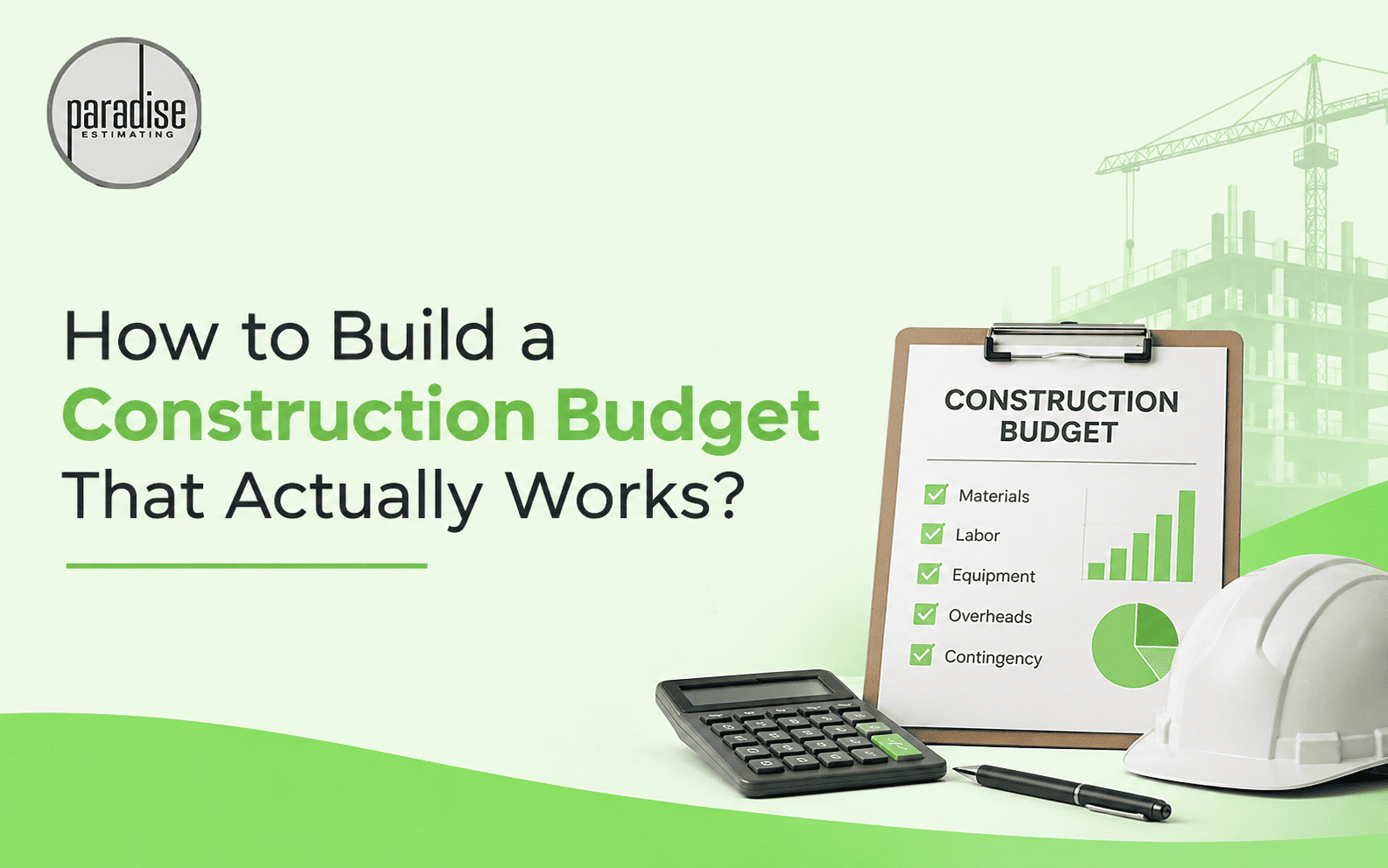
How to Build a Construction Budget That Actually Works?
August 11, 2026

The Importance of an Accurate Estimate for Winning More Bids
August 7, 2026
What to Do When Your Estimator Misses the Bid Deadlines (How to Prevent It)
August 3, 2026
5 Ways Accurate Estimates Can Save Your Construction Project
January 15, 2024